
a short-term healthcare training program

a strong career in the medical field without becoming a doctor, and play a key role in saving lives and supporting hospitals.

It focuses on areas like patient care, lab technology, and emergency support, helping students quickly start a career in the medical field.

Syllabus of Paramedical Course

images

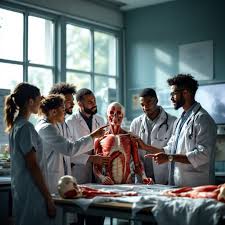
Foundations of Medical Support and Anatomy

This introductory phase establishes the core identity of a healthcare professional. Students dive into the medical ethics and safety protocols that govern patient care, alongside a comprehensive overview of human anatomy. By understanding how the heart, lungs, and brain function, learners gain the necessary background to identify vital signs and recognize life-threatening emergencies like respiratory distress or severe injury.
para

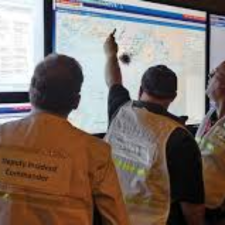
Emergency Response and Incident Management

This section focuses on the “First Responder” mindset, teaching the theoretical steps required to manage accidents at home, school, or on the road. It covers wound awareness and fracture identification, ensuring that students know how to secure an accident scene safely. The curriculum also introduces Triage basics, a critical skill used to sort patients by the urgency of their condition during high-pressure situations.
para (1)

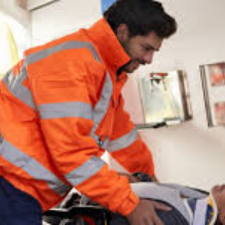
Clinical Skills and Ambulance Operations

Focusing on the technical side of the field, this part covers the essential equipment found within an ambulance and the principles of safe patient transport. Students learn the mechanics of oxygen support, infection control through PPE usage, and how to handle common medical crises like fainting or burns. A heavy emphasis is placed on the hospital handover process, ensuring seamless communication between the mobile unit and the emergency department.

paramedical career

Paramedical Course

Paramedical courses are designed to train students in essential healthcare support services. This program focuses on practical medical skills such as patient care, basic diagnostics, emergency response, and laboratory assistance. It is a great choice for students who want to build a strong career in the medical field without becoming a doctor, and play a key role in saving lives and supporting hospitals.

01

Diverse Career Environments

While hospitals and ambulances are the most common workplaces, paramedical training opens doors to unique environments, including:
Offshore & Industrial Sites: Working on oil rigs, mines, or large manufacturing plants.
Flight Paramedicine: Providing care in helicopters or fixed-wing aircraft for critical air-transfers.
Corporate Health: Managing wellness and emergency safety for large tech or aviation companies.
Cruise Ships & Luxury Resorts: Serving as an on-site medical officer for travelers.

02

Accessibility and Inclusion

Paramedical courses are often more accessible than mainstream medical school. In many regions, they do not require high-stakes entrance exams like NEET, making them an excellent pathway for students who have the passion and aptitude for medicine but may have struggled with traditional, high-pressure testing systems.

03

Advanced Soft Skill Development

A paramedical certificate is often the first step in a “ladder” toward higher medical roles. Many paramedics eventually transition into specialized nursing, hospital administration, or even medical research, using their field experience as a powerful foundation that gives them an edge over those who only have theoretical knowledge.

Testimonials

“Poomalai Educon guided me step by step in choosing the right course. Their support made my career path clear and confident.”

Seetha

“The counseling team is very friendly and professional. They helped me understand all my options and made the admission process easy.”

Kiran

Poomalai Educon is a trusted education consultancy that helps students choose the right courses and colleges with expert guidance, ensuring a smooth and successful admission process.

Your Trusted Partner for a Brighter Educational Future

Scroll to Top